
Note: This post first ran on Roon. Roon is a physician only (and US only, for now) social media site. It is growing and you should check it out.
Every nephrology fellowship has the same challenge.
Every July 1, fresh fellows walk through the door. They’re smart, motivated, and terrified of upcoming responsibilities. And every program responds the same way; we compress a year’s worth of practical nephrology into the first few weeks of didactics.
We teach dialysis. Acid-base. Electrolytes. AKI. Consult etiquette. How to survive call.
Every program builds its own version of this curriculum.
A few years ago we had a simple idea: why is every fellowship reinventing the wheel? What if we pooled our resources and built something together?
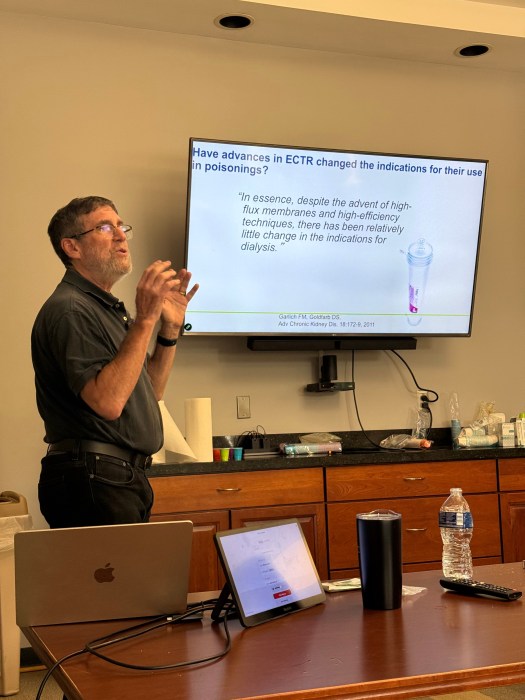
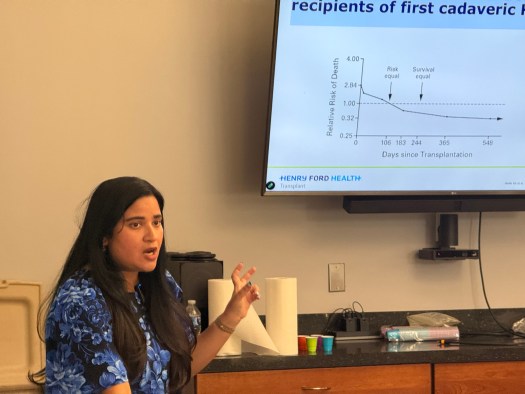
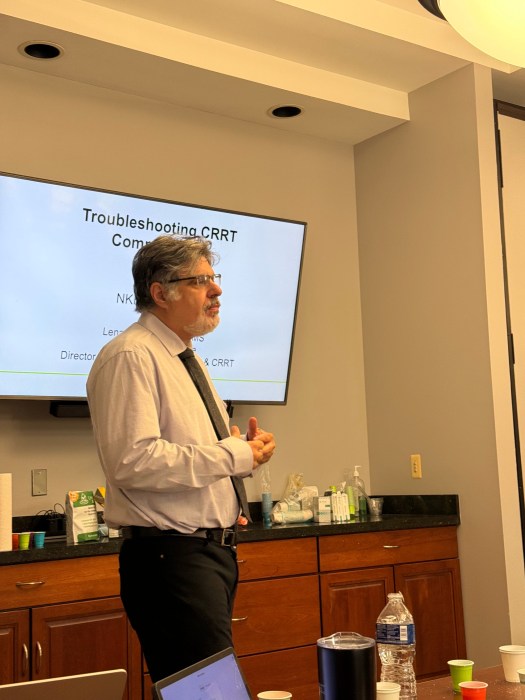
That was the beginning of Nephrology Bootcamp (Link to 2024 | 2025 | 2026).
The original goal was pretty modest. Invite fellows from around southeast Michigan. Recruit some great teachers. Share the educational materials we developed independently. If one program had the best electrolyte lecture and another had the best CRRT session, everybody should benefit.
Over the years as we executed the first year fellow curriculum, we realized there was another curriculum that almost nobody was teaching.
A Bootcamp for Graduating Fellows. All the things you don’t realize you need until graduation is staring you in the face.
How to negotiate your first contract
What does a dialysis medical director actually do
How does value-based care affect your practice
How do you think about personal finance after years of training
Those aren’t board questions, but they’re the questions new nephrologists want to know but are afraid to ask. And let’s face it, the academic nephrologists that teach them nephrology would be poorly equiped to answer these questions.
So this year Bootcamp added a second day. The first day is aimed at second-year fellows who are getting ready to launch their careers. The second day is for incoming first-year fellows (and nephrocurious residents) who are just getting started.
The other surprise was how much the meeting benefited from being in person.
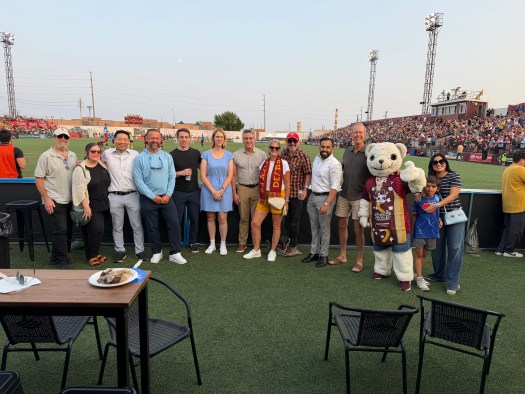
Sure, we could record the lectures (and we do). But the best parts happen during coffee breaks, lunch, and the conversations after the sessions end. Fellows meet faculty from other institutions. Faculty compare notes on how they teach. People swap slides, cases, and ideas. You can’t recreate that online.
This was our third Bootcamp, and our biggest yet.
I’m already thinking about next year. We’ll continue refining the curriculum, recording more sessions, and finding ways to share what we build with programs that can’t make it to Ann Arbor.
The original idea hasn’t changed.
Fellow education is too important for every program to go alone.